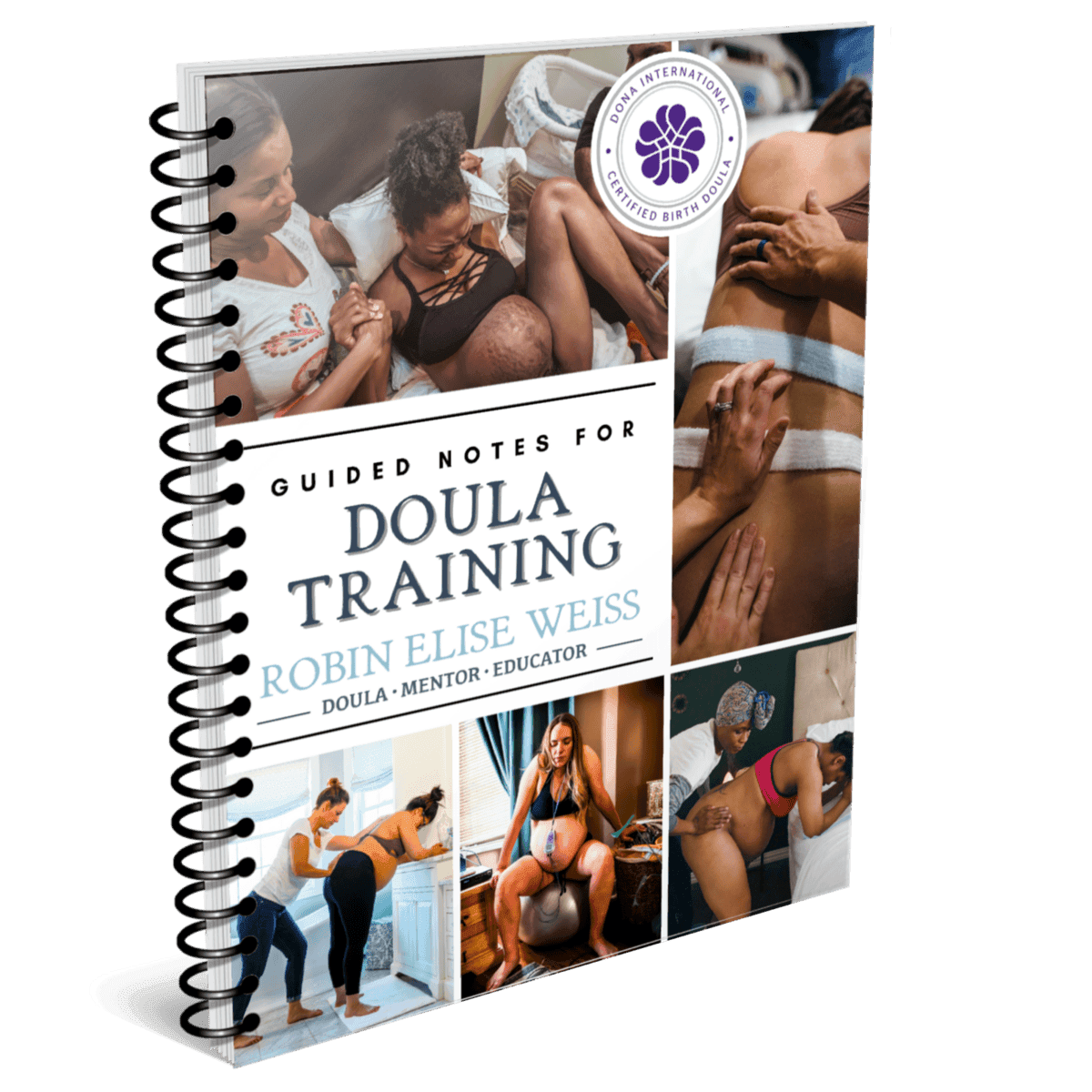
If you are thinking about becoming a birth doula, you probably have questions. This page answers the ones I hear most, about the work, my training, the cost, and what happens after class.
New to all of this? Start with how to become a doula, which walks through the steps in order.
General Questions About Doula Training
What is a birth doula?
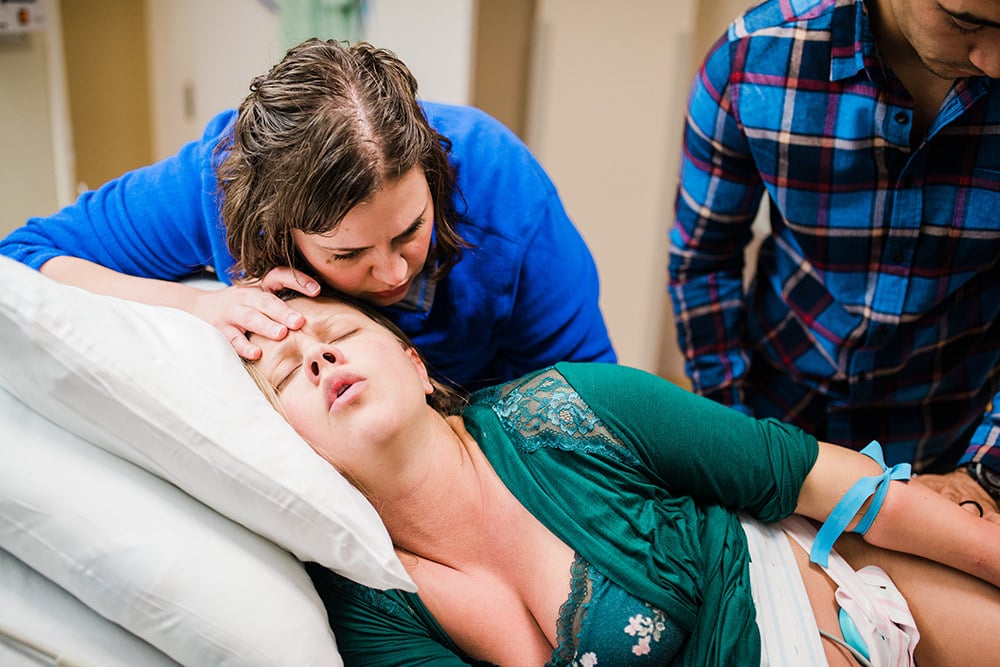
A birth doula is a trained professional who supports a pregnant person and their family through pregnancy, labor, and birth. Doulas offer information, comfort, and encouragement.
Doulas do not provide medical care. They work alongside the healthcare team so the birthing person feels supported, whatever kind of birth they are planning.
How long is doula training?
A DONA approved birth doula workshop is at least 16 hours of instruction. I teach the same class as a 3 day intensive, a 5 day intensive, and a 5 week class with shorter sessions, so you can pick the one that fits your schedule.
After training, you attend births and complete the certification requirements. DONA gives you three years from your workshop to finish. I have had people do it in as little as 3 weeks.
How much does doula training cost?
My training is $650, or $610 if you pay in full 30 or more days before your start date. That includes the workshop, Introduction to Childbirth, Lactation for Birth Professionals, and support after you graduate.
You can split tuition into monthly installments with no fees. I also hold a limited number of Community and Equity seats for each date, and eligible military spouses can use SpouseWorks (formerly MyCAA). See my payment plans page for details.
Do I need certification to be a doula?
You can begin working with clients once you complete your training. I still recommend certification.
Certification matters most if you plan to work with Medicaid or insurance programs. DONA certification can help qualify you for Medicaid in states that cover doula care, and for TRICARE. DoulaMatch data also shows that certified doulas make more per client and are hired more often.
You can bring your certification questions to my weekly Q&A for as long as you are doing this work.
What does a birth doula do?
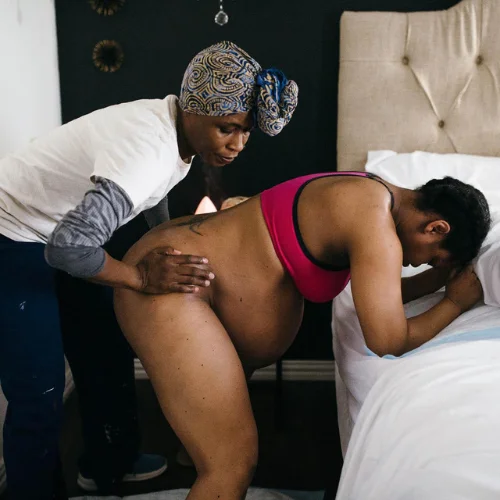
A birth doula provides emotional, physical, and informational support. That means helping clients understand their options, using comfort measures such as positions, breathing, and touch during labor, and supporting the decisions the client makes.
Doulas also help clients communicate their preferences to the care team. They do not perform clinical tasks or make decisions for the client.
Can I become a doula with no prior experience?
Yes. You do not need to have attended a birth, you do not need to have given birth yourself, and you do not need a healthcare background. Most people in my classes have no clients and no business yet.
What you do need is a serious interest in supporting birth families and a willingness to learn the work.
What are the requirements to become a birth doula?
You start with an approved birth doula training. For DONA certification, you also complete an introduction to childbirth course and lactation training, both of which are included in my tuition.
After that, DONA asks for three births with at least 15 hours of continuous in-person labor support across them, plus the paperwork in your certification packet. You submit the packet within three years of your workshop.
Online and Virtual Doula Training
How does online doula training work?
Every class is taught live on Zoom. You work through birth and client scenarios, practice in role plays, watch demonstrations, and talk things through in small groups, with time to ask questions as they come up. You also get a class portal with bonus materials, templates, and tools.
Training online saves time and money. You do not pay for travel, you take less time away from work, and you only need childcare for the hours of class.
After training, my support continues with a weekly live Q&A and the alumni community.
Is virtual doula training as effective as in-person training?
Yes. My online class is live, and you practice hands-on skills with a real person while I observe. You can ask questions as they come up, the same way you would in a classroom.
I have more than 30 years of experience as a doula and trainer, and a master’s degree in health professions education. I know how to make learning work in a virtual format.
Can I get certified as a doula online?
You can complete your training online. My course is a DONA International approved birth doula training.
Certification comes after training. It includes attending births in person, collecting evaluations, and submitting your packet to DONA. I guide you through those steps in my weekly Q&A.
What are the benefits of virtual doula training?
You learn from home, with no travel costs and less time away from your family. You choose the format that fits your life, whether you are working, raising children, or managing other commitments.
You still take part live. You join discussions, practice skills, and ask questions during class. The class portal gives you extra resources to use afterward.
Are there hands-on components in online doula training?
Yes. On the last day, you coach a live person in the room with you through an active labor practice while I observe on Zoom. That person does not need to be pregnant.
If you do not have a partner that day, you still come to class and do the same practice on video afterward. I review it before your certificate goes out.
Cost and Financial Assistance
Is SpouseWorks (formerly MyCAA) available for military spouses enrolling in doula training?
Yes. My birth doula training is approved for SpouseWorks (formerly MyCAA), so eligible military spouses can have their tuition covered. SpouseWorks provides financial assistance for career education and training.
I will walk you through the steps. You can read how it works on my SpouseWorks funding page.
What payment options are available for doula training?
Tuition is $650, or $610 if you pay in full 30 or more days before your start date.
You can also split it into monthly installments with no interest and no fees. The earlier you register, the more months you can spread it across. Klarna, Afterpay, and PayPal Pay Later are available at checkout too, each with its own terms.
The details are on my payment plans page. If you have a question about which option fits, contact me and I will help you sort it out.
Are there scholarships or financial aid for doula training?
Yes. I hold a limited number of reduced-cost seats for each training date, starting at $399. Community seats are for people experiencing financial hardship. Equity seats are for BIPOC and LGBTQIA+ applicants experiencing hardship.
Seats are first come, first served, so apply before you register. You can apply on my scholarship page.
Eligible military spouses can use SpouseWorks. Some local organizations and community programs also offer grants for career training, so it is worth asking in your area.
Doula Career Path
How do I find clients after completing doula training?
My class is geared toward you getting your first client and attending a birth. In training you learn how to start finding clients and how to set your fees, and you get customizable contracts and templates to set up your business.
Many doulas find their first clients through referrals, social media, and local birth professionals.
Support continues after you graduate. I host a live group Q&A every week, and you join an alumni community of more than 10,000 doulas. You also get a listing on MeetYourDoula.com, where families search for doulas by location.
Can I make a living as a birth doula?
Yes, many doulas do. What you earn depends on where you live, how you practice, and how many clients you take. You also set your fee yourself.
DoulaMatch publishes average birth doula fees by state. In its January 2026 report, state averages ran from $825 in South Dakota to $2,587 in California. Those averages include doulas who list a fee of $0, which pulls the numbers down. In many states, the top of the range is $5,000.
Certification makes a difference too. A 2019 analysis of 9,710 active doulas on DoulaMatch.net found that DONA certified doulas charged 24% higher fees than doulas without certification.
What are the career opportunities for certified doulas?
Many doulas are self-employed and work directly with families. Others work with hospitals, birth centers, or community programs.
Certification widens your options. DONA certification can help qualify you for Medicaid in states that cover doula care, and for TRICARE. You can also add services over time, such as childbirth education, postpartum support, or lactation support.
How do I choose the right doula training program?
Start with the certification, then choose the training. Before you register anywhere, check that the training leads to a certification payers recognize, that the childbirth and lactation courses are included, and that you get certificates showing your hours. Ask what support you get after class ends.
I have been a doula for more than 30 years and hold a master’s degree in health professions education. I teach the same class as a 3 day intensive, a 5 day intensive, and a 5 week class with shorter sessions, so you can pick the one that fits your schedule.
I wrote a longer guide on how to pick the right doula training.
What’s the difference between a birth doula and a postpartum doula?
A birth doula supports a pregnant person and their family through pregnancy, labor, and birth. That includes information, emotional support, hands-on comfort during labor, and help preparing and communicating birth preferences.
A postpartum doula supports families after the baby arrives. That includes newborn care, feeding support, emotional support, and light household tasks.
I train birth doulas. The skills you learn are a good foundation if you decide to add postpartum work later.
My birth doula training is taught live online as a 3 day intensive, a 5 day intensive, or a 5 week class. You do not need birth experience to start, and you leave ready to attend your first birth.